Governors at the front line: A call to recognise, resource, and reform education in Wales
Executive Summary
School governors play a vital strategic role in Wales’s education system. They act as both critical friends and accountable leaders, working closely with school leaders to ensure high-quality education.
Amid unprecedented reforms and financial pressures, the importance of school governance has never been greater. In June 2025, Governors Cymru Services conducted a national survey to better understand governors’ experiences and challenges. The findings set out in this report highlight urgent issues in the education system in Wales, especially with funding and Additional Learning Needs (ALN).
Key Recommendations:
School funding:
Schools face severe financial strain. A national review is urgently needed to ensure sustainable, well-resourced education.
ALN support:
Provision is inconsistent and under-resourced. National research, clarity on governors’ roles, and better training are essential.
Governor voice:
The perspectives of governors must be valued and embedded in policymaking to strengthen education reform.
Sharing effective practice:
A coordinated, national approach is required to capture and disseminate what works well in governance.
Governors are integral to the future of education in Wales. Their voices must be heard, and their needs addressed, if we are to build a resilient, inclusive, and effective system.
With the next Senedd elections just six months away, we call on politicians of all political parties to take these concerns seriously and to include these priorities as commitments in their manifestos.
Introduction
School governors fulfil a key strategic role in our education system; they are the critical friend and the accountable body; they make many important decisions; they work closely with headteachers and senior leaders to secure the best possible education for learners.
There are currently around 19,000 school governors in Wales, all of whom are volunteers, many with jobs and other responsibilities. Their commitment and dedication are second to none. But despite the crucial nature of their work, they can sometimes feel underappreciated, misunderstood, and isolated from wider educational conversations.
In a period of unprecedented change and challenge for Wales’s education system, the importance of the school governor role has only intensified. From grappling with severe financial constraints to overseeing the implementation of Curriculum for Wales, governors are very much on the front lines of educational reform.
Governors Cymru Services is the national support service for governors in Wales, providing a range of services to inspire and promote effective school governance. We wanted to find out what governors felt about their role, so in June 2025 we launched a survey inviting them to share their experiences, both the challenges and the successes. Their insights helped us better understand the impact of governance and inform a national conversation on the vital role governors play in education.
This report sets out the findings of the survey as well as our recommendations.
Methodology
We created a short survey containing 17 questions using SurveyMonkey, which we emailed to our members list and shared on social media in June 2025. The survey was active for a period of three weeks, between 9th June 2025 and 1st July 2025. We received a total of 290 responses, 272 in English and 18 in Welsh.
Q1
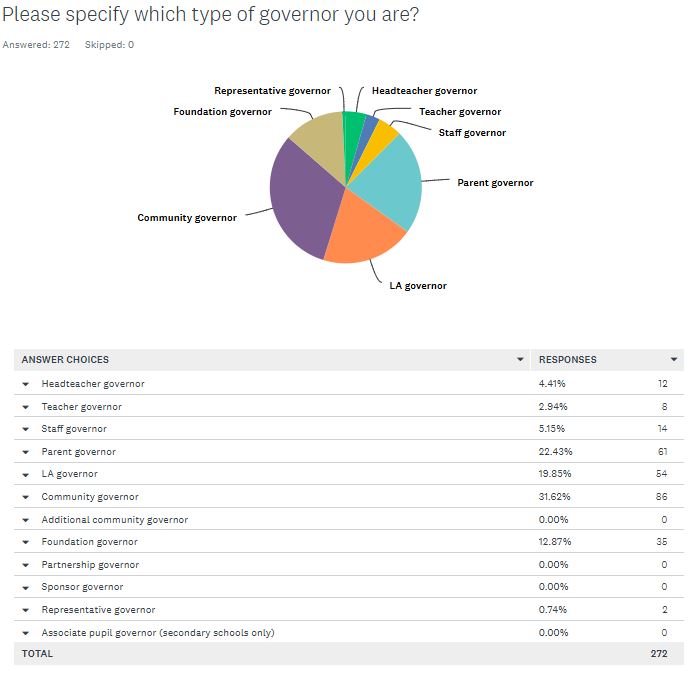
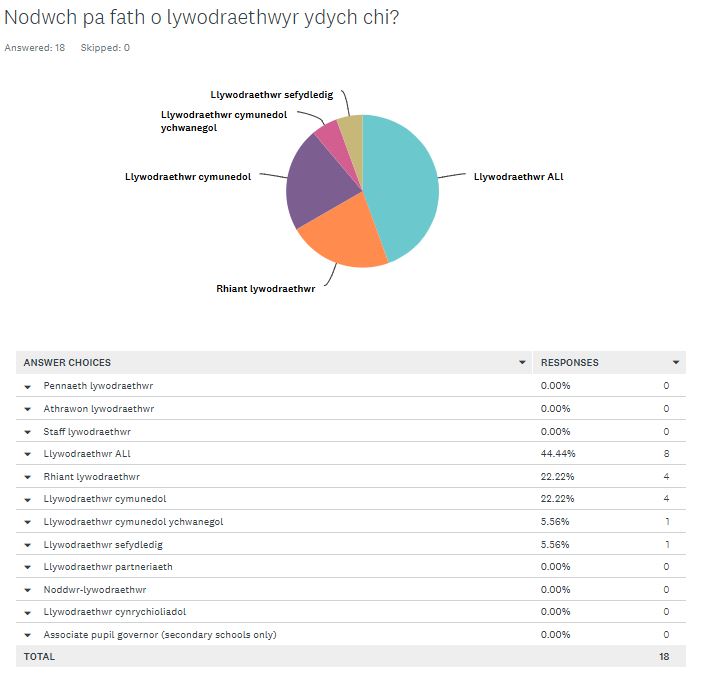
Q2
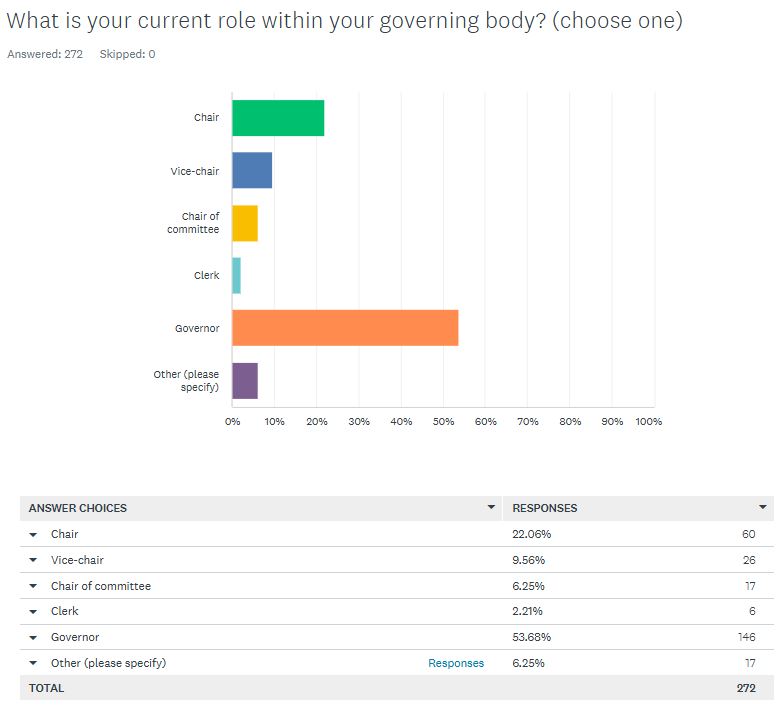
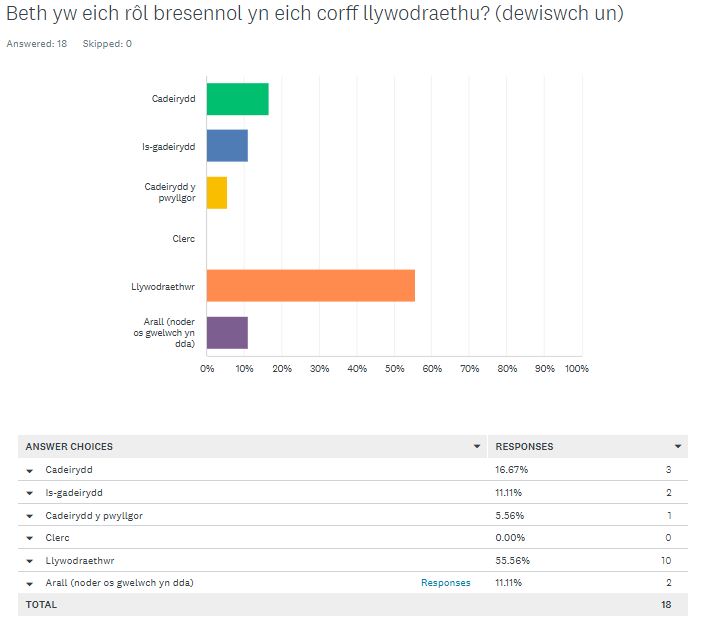
Q3
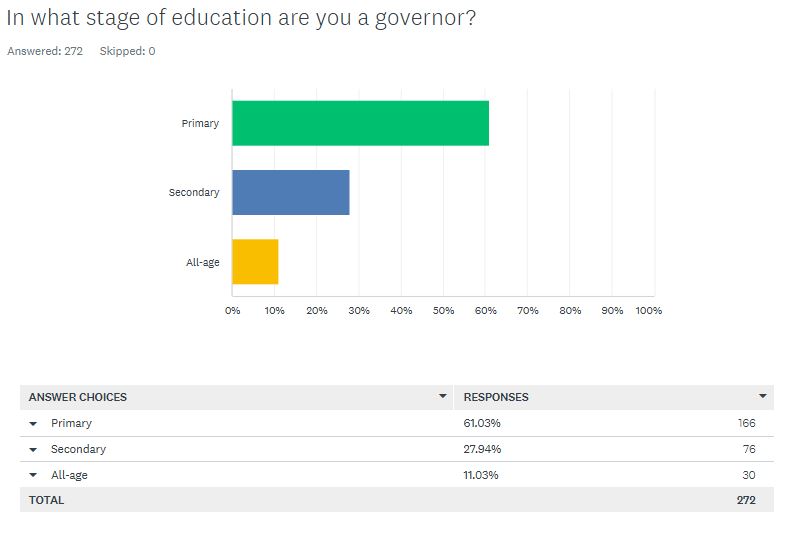
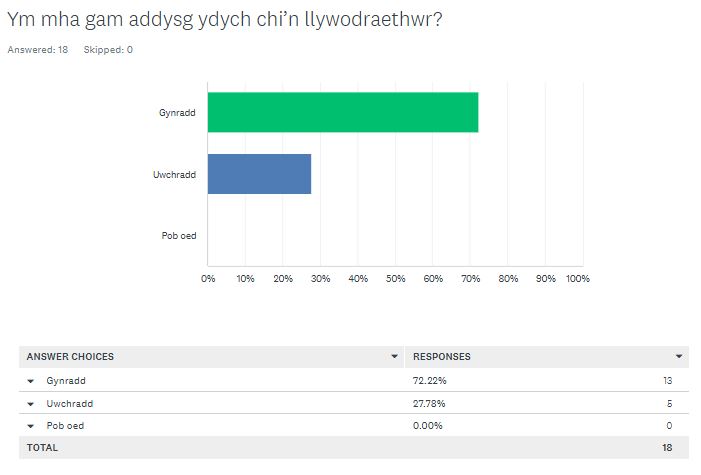
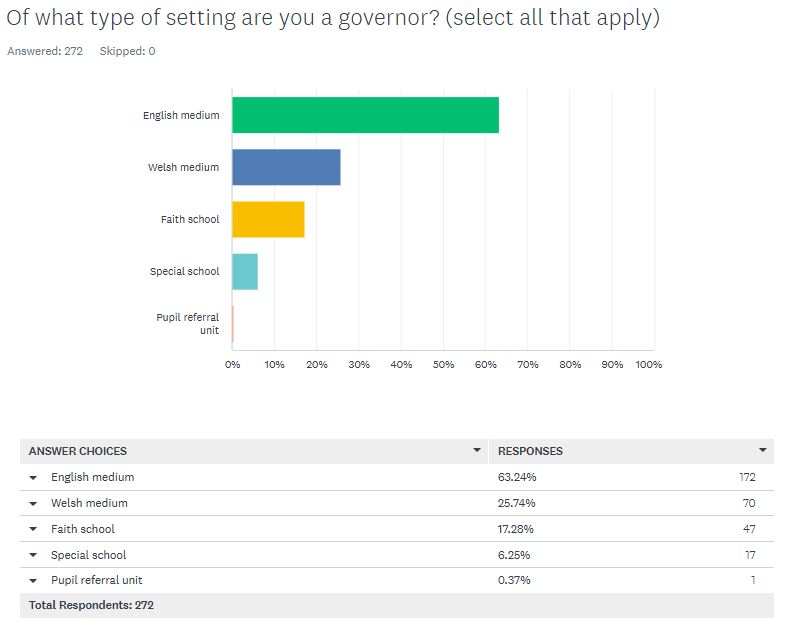
Q4

Question 5 & 6. What is the most pressing issue facing your school at the moment?
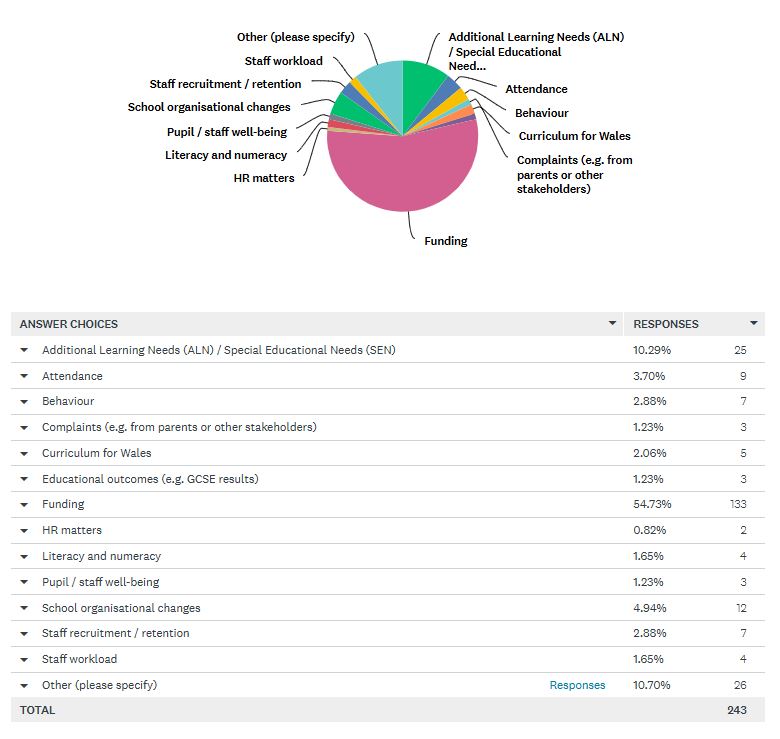
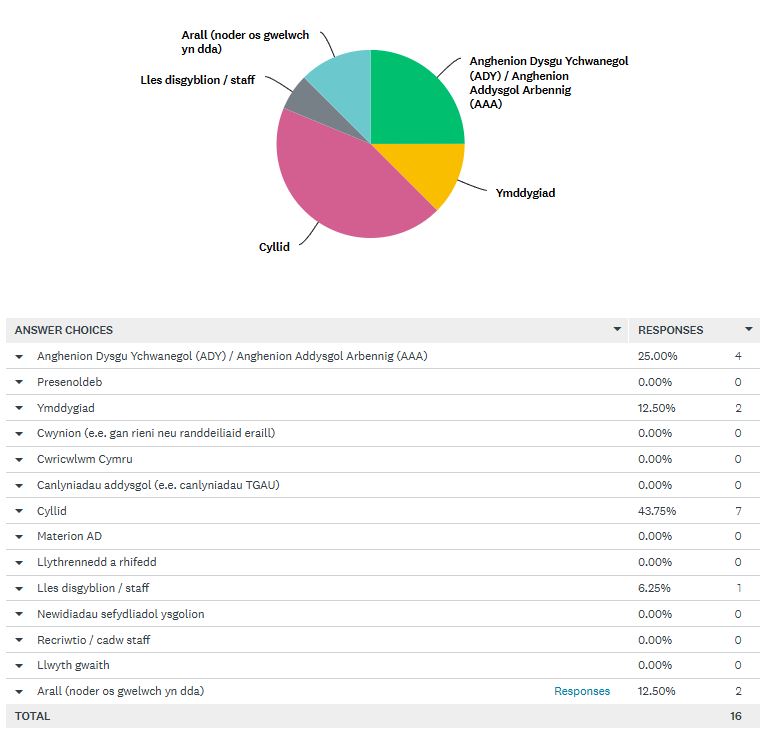
We had more than 180 responses to this question. Here is a selection:
- Cuts to the education budget in our county have meant we are unable to employ the number of staff needed to support our most vulnerable learners. As an inclusive school, we have various emotional, social and behavioural needs as well as sensory overloads and instead of being able to offer support we are having to cut the staff, to ensure we keep teachers in front of the class.
- Funding cuts have adversely affected the level of provision for our many vulnerable learners both in school and at a county level. There are no places for learners to go if mainstream is too challenging for them.
- Our budget has been cut again, and we are struggling not to set a deficit budget as the LA hadn’t got the manpower or Money to support another school in crisis. We have had to lose a class and some valuable TAs; this will have massive effect on our once excellent ALN set up and be of massive detriment to staff wellbeing.
- Behaviour, ALN and mental health issues are huge and funding being cut, leaving staff shortages, staff retention and lack of resources have a huge impact on pupils and staff.
- The number of children of the safeguarding register is mounting and the school can do little in isolation to improve the situation for their pupils. There is not enough resource in the system to help so many families. Everyone involved is doing their best but are spread too thinly. As governors, we feel helpless in supporting staff in their wellbeing when the behaviour of pupils (and parents in some cases) is worsening. I believe the system is trying to work together, with organisations communicating to the same goal, but it’s a capacity issue.
- Pupil numbers being low results in pressure on the annual budget and it is a fine line between projecting a surplus or a loss. Whilst the building is not old, maintenance works are constant. Despite being a full school with budget trimmed back year on year, 95% of our budget is salaries and we are at minimum staffing to deliver statutory education. Our allocated budget via then formula is insufficient for us to achieve this.
- Staff are leaving the profession due to high workload and the inability to balance the face time teaching with the paperwork requirements.
- Lack of funding causing staff concern and school management problems.
- Funding is appalling and we are having to make cuts to pupil wellbeing services, with further cuts threatened.
- The school is a small school, budgets are set against pupil numbers on top of that decreasing budgets are making it very hard to be-able to provide a well-balanced curriculum with access to good quality resources and provisions! Behaviour is also an issue due to the fact that schools are having to pay for additional hours of 1:1 support for very challenging behaviours!
- School in special measures due to funding – school operates on 4 different sites – no longer fit for present for future special education needs and very costly to run from ineffective buildings which adds to financial pressure.
- The numbers of ALN are increasing considerably without the necessary funding from the LA. Resources spread too thinly e.g. 10 hours per week allocated to child with neurodivergent challenges.
- Despite being a full school with budget trimmed back year on year, 95% of our budget is salaries and we are at minimum staffing to deliver statutory education. Our allocated budget via the formula is insufficient for us to achieve this.
- Funding shortages lead to many other pressures e.g. staffing, curriculum development, staff training etc. School is in a budget deficit with the LA for the first time in the many years I have been associated with the school on PTA and as governor. Little sign of funding improving nationally.
- The volume of children at the school presenting with ALN and the lack of funding and ability to employ staff to support the teachers. The budget keeps getting cut and less money year after year to do the same work.
- We have now reached a deficit budget due to a perfect storm of conditions and along with every other secondary school in our county. I consider the authority has been poor in supporting us with timely, accurate information or even flagging up the longer-term consequences of decisions made in previous financial years. I’m very concerned about the impact on the morale of the entire school community, safety and quality of education as the non-negotiable, 3-year plan to balance the budget is brutal.
Question 7 & 8. What one intervention would make the biggest difference to your school?
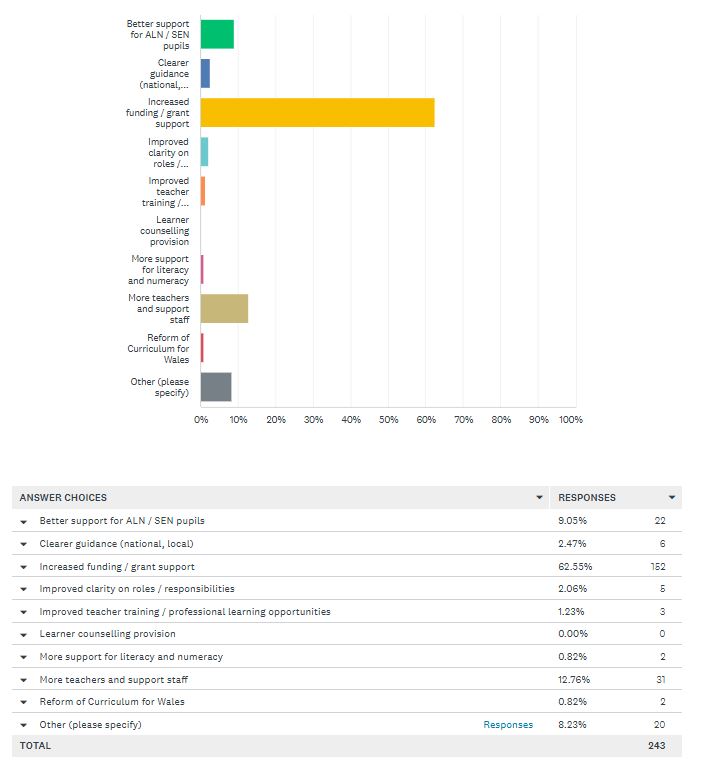
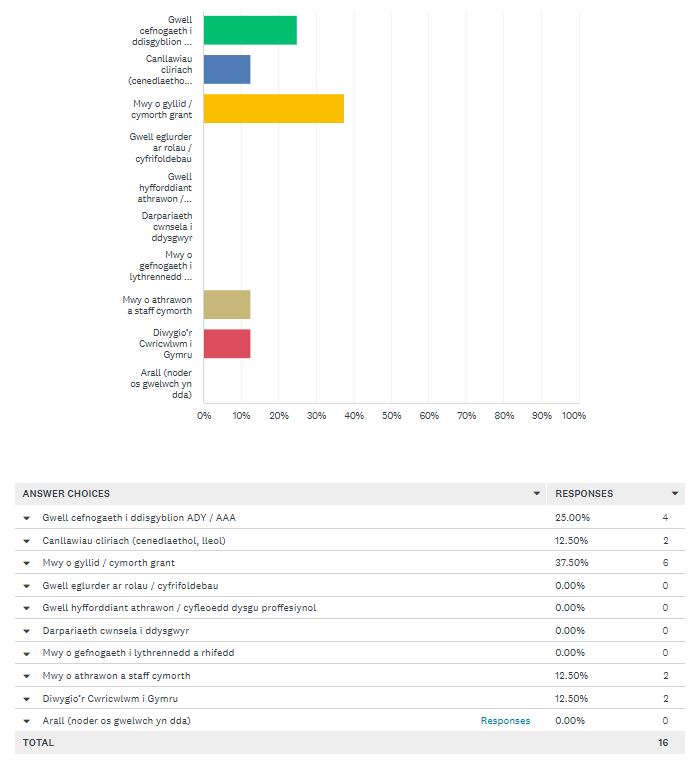
We had more than 130 responses to this question. Here is a selection:
- With the introduction of the new curriculum for Wales and the new GCSE qualifications, the need for training for teachers and more resources to ensure that both developments are delivered effectively, the pressure on school finances is real and pressing. An increase in grant funding or the basic allowance for schools would make a significant difference to the pressure on staff.
- Cuts to the education budget in our county have meant we are unable to employ the number of staff needed to support our most vulnerable learners. As an inclusive school, we have various emotional, social and behavioural needs as well as sensory overloads and instead of being able to offer support we are having to cut the staff, to ensure we keep teachers in front of the class.
- With extra funding, extra staff for challenging children, and building resource classrooms.
- For the past 2 years the LA has had to cut the school budget.
- With an ever-increasing number of children with ALNs and reduction in budgets, schools face daily decisions which impact negatively on the high standards they want to provide.
- Grant funding not sustainable.
- More funding would mean that more TA’s could be employed in order to support individual pupils who need the extra support.
- I feel the school has seen the reduction of support staff which then puts increased pressure on the teachers. This also has increased the kids to staff ratio which I feel is a concern.
- More personnel in schools to support pupils learning & deal with behaviour – this will save supply cover when staff are off. We also need more people picking up referrals in external agencies.
- Budgets are so tight that money for necessary purchases need to be given very careful consideration.
- More funding would allow for the support staff needed to cover the additional needs of children and for more support with challenging behaviour in pupils. Intervention for pupils with additional needs is increasing, whilst staff are decreasing. All children in the classroom are affected by those whose behaviour is challenging, or by those who need specific additional needs, leaving less time for teaching and learning for the majority. County does not have the facilities to support those with severe specific needs.
- If we had more support for pupils with ALN then the rest of the staff could be focused on teaching the class. More support would need to be people, extra provision, extra support services, quicker testing. If this was in place then we would not use to fund this through the
school budget.
- Underfunding of the Local Authority has led to cuts to school budgets, precipitating deficits.
- Lack of funding is increasingly an issue. Thankfully some staff have taken early retirement otherwise we would as Governors decide who had to be made redundant. Not a nice choice to have had to make.
Q9

Q10
Q11
Q12
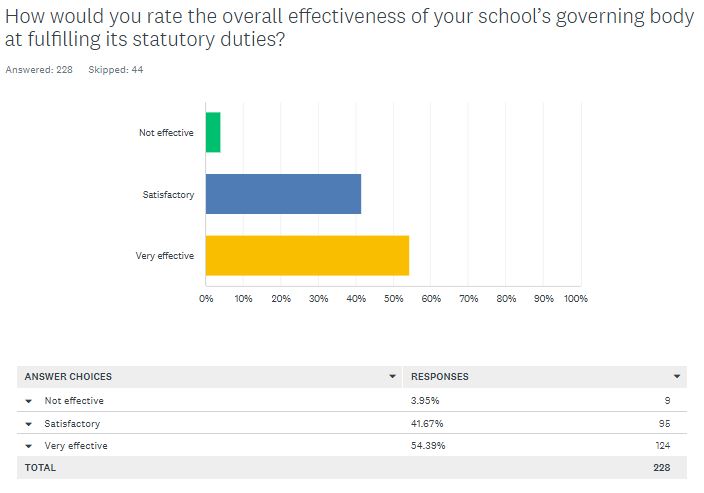
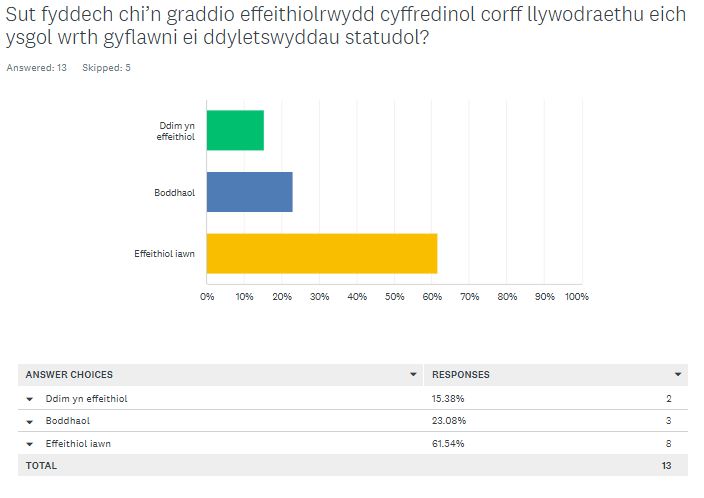
Q13
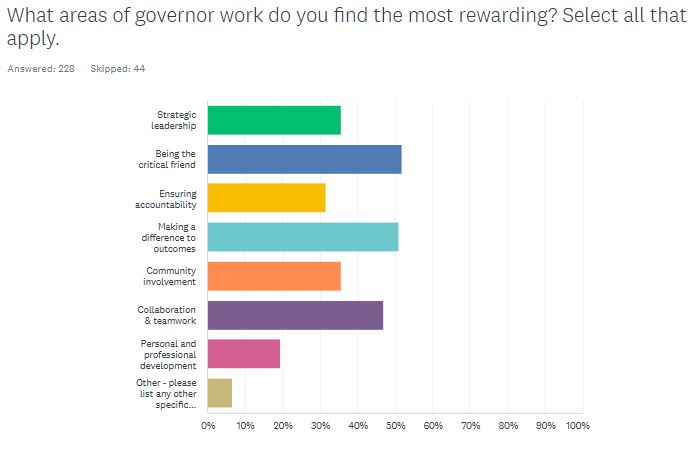
Q14
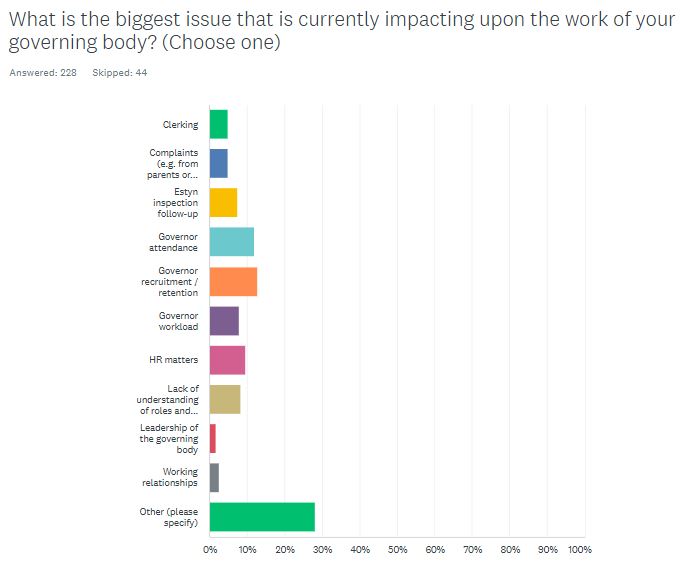
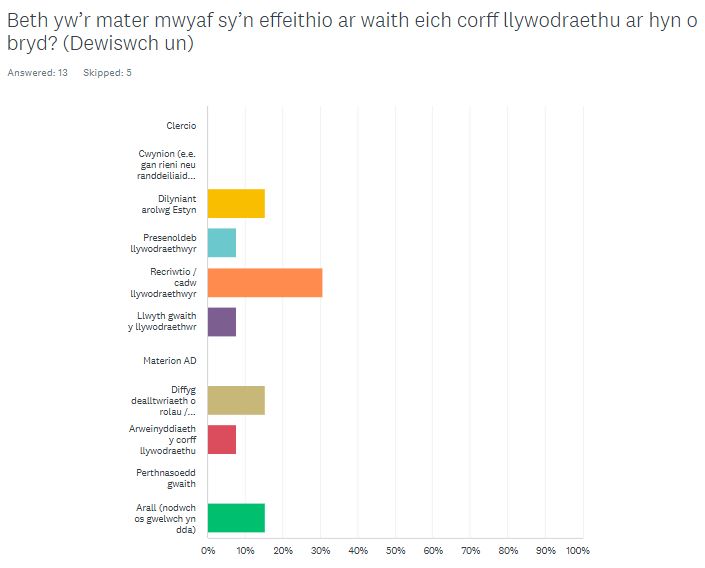
Note: Questions 15-17 were of a more general nature to help inform the future work of Governors Cymru Services.
Recommendations
Governors from across Wales highlighted several areas of concern in our survey. The above paper has summarised the main themes and work strands, as well as some of the extensive comments received from the survey. Based on the evidence presented, we urge policy makers and all those that work with school governors locally and regionally to seriously consider the following:
1. Funding
We received many detailed comments from respondents about challenges with school funding and the significant implications this brings to school life. While we recognise the current economic constraints, we must acknowledge the immense pressure that schools are under with limited resources. Schools still must ensure the best possible education for their learners, but against a backdrop of cuts, falling rolls, reduced staffing and fewer resources, this is proving to be nigh impossible, with many schools at breaking point.
We call for a review of school funding by the new national professional learning and leadership body, Dysgu, with key stakeholder involvement to look at the sustainability of schools and how they can be fully supported and resourced properly and effectively in the future.
2. Additional Learning Needs (ALN)
There is increasing uncertainty and concern among governors about their role with
ALN and how they can support their schools appropriately. From the feedback we received, there does not seem to be a consistent and coherent picture of how
ALN learners are supported. Comments indicate that
ALN provision is not equitable, is insufficiently resourced and there is a lack of capacity in the system to ensure timely and effective intervention strategies are put in place.
Several responses also reflected increases in both behaviour issues and emotional, mental health and well-being amongst learners and the lack of support available to meet the needs of learners.
We call on policy makers to:
a. Review the situation across Wales and look to address any shortcomings.
b. Conduct national research to gain a better understanding of why ALN is increasing across school phases.
c. Provide regular national updates and training for governors on their role.
3. Sharing effective practice
The survey results clearly indicate that governors wish to learn more about excellent practices that exist relating to their governor work and other policy areas. We know that practices that work well are shared locally, and nationally to a certain degree, but much gets lost. There is duplication and not always much joined-up thinking. At Governors Cymru Services, we would appreciate a national dialogue on how we can use our extensive expertise to further support governor/LA work with our valuable and efficient services.
4. Governor Voice
Many governors took the time to provide eloquent and thought-provoking comments for our survey questions. We have been presented with many concerns and suggestions for us to take on board to try and help to make a difference. The governor voice is often overlooked but without doubt it is incredibly powerful and emotive.
We urge everyone, from policy makers to school leaders, will ensure that the governor voice is included, heard and respected in key education discussions in Wales, to support and develop education reform for future generations.
APPENDIX 1 – Survey questions
© Governors Cymru Services

